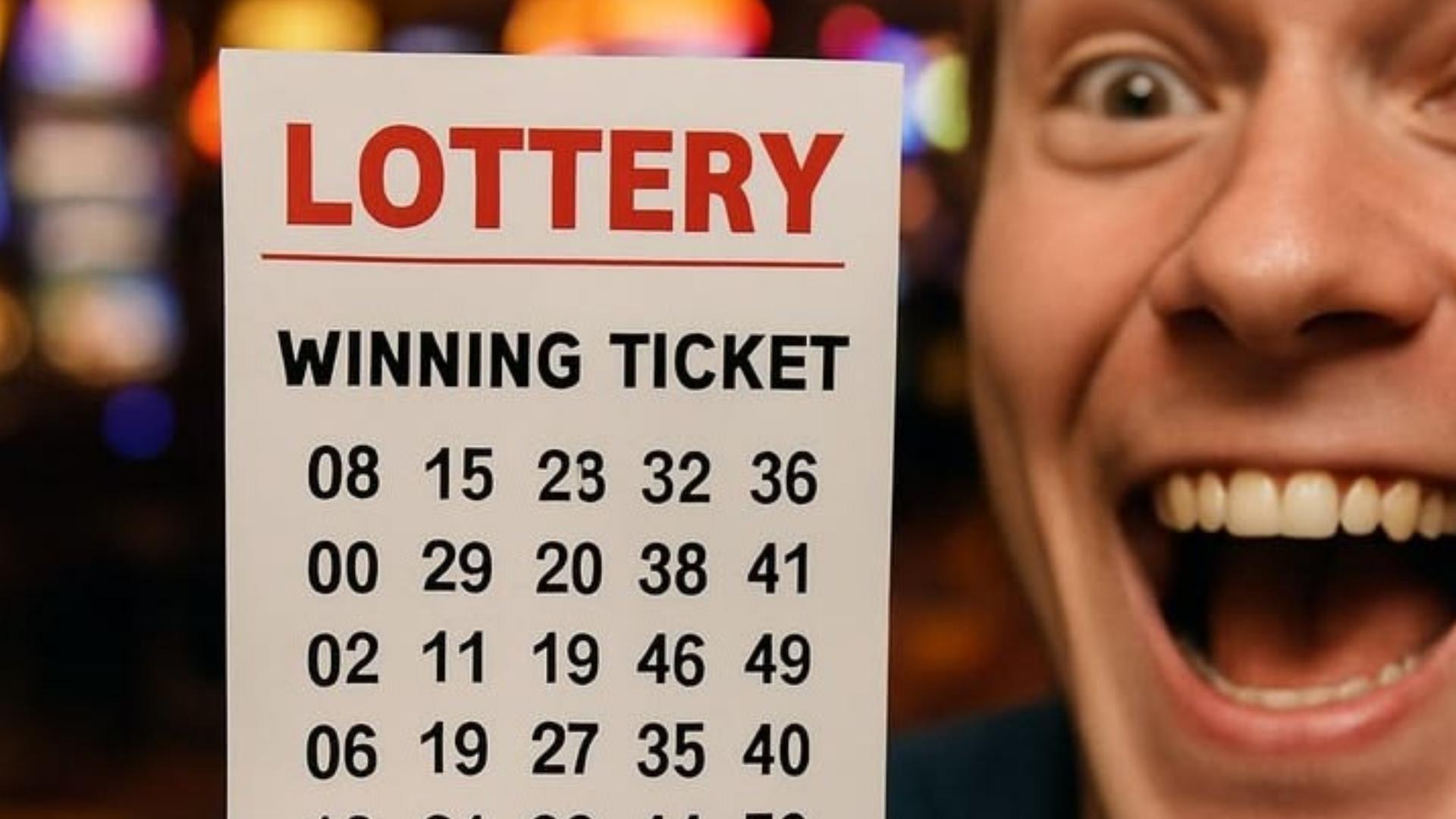
Designing interactive experiences requires more than just offering prizes to participants. Where those prizes are placed within a layout or progression system significantly impacts how people feel and interact with the content. Understanding spatial and psychological placement helps creators build deeper engagement while maintaining a sense of fairness.
The Psychology of Reward Placement
Positioning a prize near difficult milestones creates an immediate sense of accomplishment. When individuals perceive that a challenge corresponds directly with a valuable outcome, their internal motivation increases. This strategic alignment encourages players to persevere through complex steps.
Conversely, placing minor incentives along the initial steps helps build momentum. Early wins prevent frustration and establish a positive feedback loop right from the start. Small positive outcomes reassure users that their effort is being recognized.
Balancing Visibility and Anticipation
Making every incentive visible from the beginning can reduce curiosity. While clear goals provide direction, hidden or variable rewards introduce a compelling element of surprise. Designers often mix visible milestones with hidden bonuses to sustain long-term interest.
When users explore digital platforms, effortless navigation ensures they discover these incentives naturally. For instance, seamless access via options like m88 login alternatif enables users to engage smoothly with interactive features without unnecessary delay. Easy entry points maximize the psychological impact of well-placed incentives.
Spatial Layout and Visual Focus
In physical and digital design, visual focal points dictate where users look first. Placing valuable items in central or prominent positions naturally draws attention and establishes priorities. Designers leverage contrast, size, and spacing to guide the viewer toward key reward zones.
Peripheral placement can also be used strategically for optional challenges. Placing extra bonuses off the main path rewards thorough exploration without overwhelming casual participants. This dual structure accommodates both casual viewers and dedicated enthusiasts.
Timing and Sequential Distribution
The distance between consecutive rewards dictates the pacing of an experience. Spacing incentives too far apart leads to fatigue, while placing them too close together diminishes their perceived value. Finding the optimal rhythm requires testing how users respond over extended sessions.
Gradually increasing the gap between milestones keeps experienced users challenged. As familiarity grows, participants expect greater efforts to yield more meaningful outcomes. Thoughtful placement turns simple progression into a satisfying journey.